
Complete Guide to Different Types of Decking (WPC, SPC, PVC & More)
1️⃣ WPC Decking (Wood-Plastic Composite)

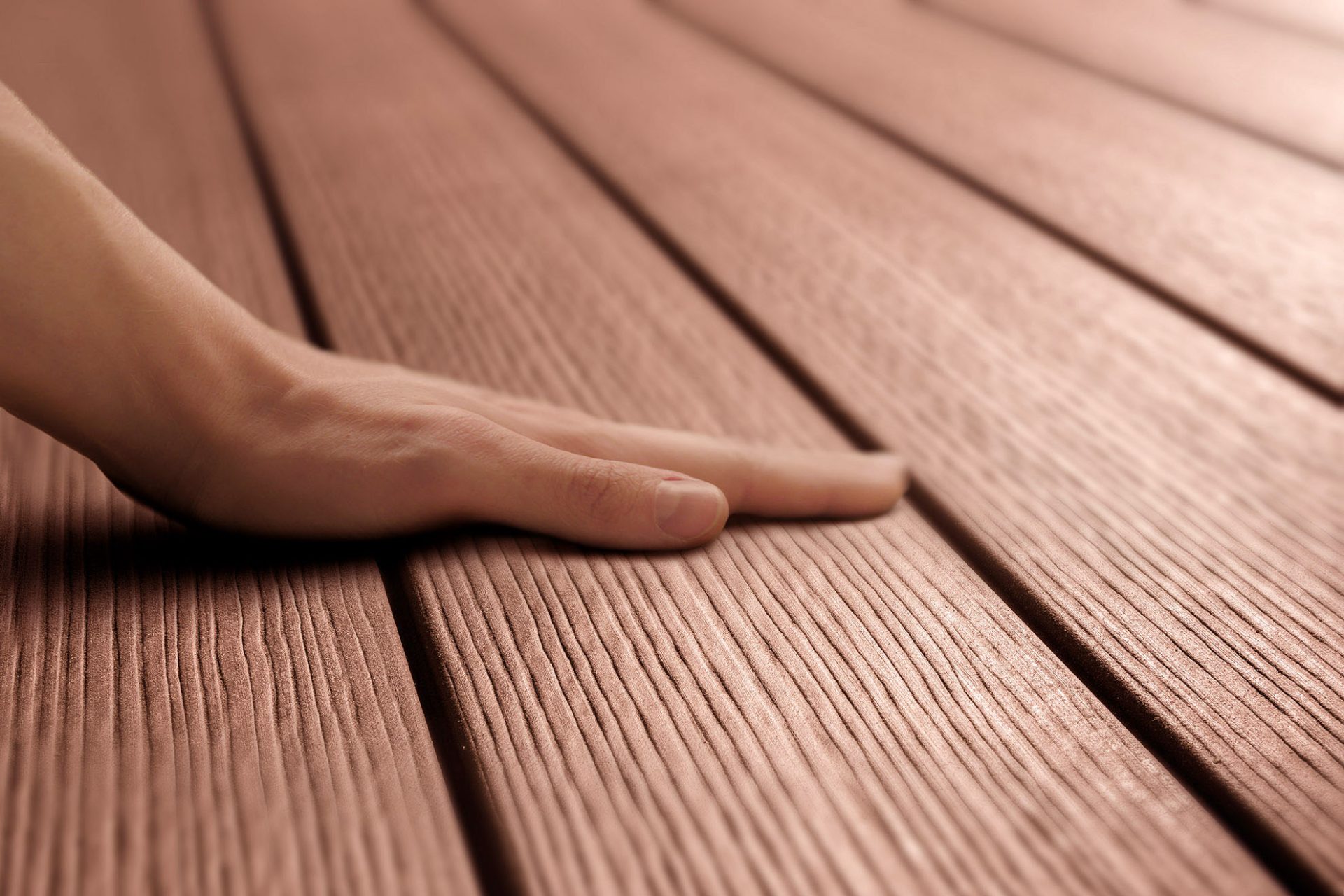

What It Is
A blend of wood fibres + recycled plastics, pressed into boards. One of the most popular alternatives to timber.
Pros
-
Low maintenance (no painting or oiling)
-
Slip, rot & insect resistant
-
Consistent colour and finish
-
Long lifespan
-
Often looks close to real timber
Cons
-
Can expand/contract slightly with heat
-
Budget WPC can fade quicker
-
Heavier than PVC
Best For
Homeowners wanting timber-look decking with minimal upkeep.
2️⃣ SPC Decking (Stone-Plastic Composite)


What It Is
A newer composite made from stone powder + plastic, originally used in rigid flooring, now adapted for outdoor boards.
Pros
-
Extremely stable (low expansion)
-
Very strong & dense
-
Highly water-resistant
-
Excellent fire resistance
-
Less prone to warping than WPC
Cons
-
Can feel harder underfoot than WPC
-
Usually more expensive
-
Less timber-like in appearance
Best For
Commercial spaces, hot climates, or areas needing maximum stability & durability.
3️⃣ PVC Decking (100% Plastic)


What It Is
Decking made entirely from PVC, with no wood fibres.
Pros
-
Zero moisture absorption
-
Highly stain & fade resistant
-
Lightest composite option
-
Very low maintenance
Cons
-
Less natural wood appearance
-
Can cost more than WPC
-
Can feel hotter under strong sun
Best For
Poolsides, seaside properties, wet environments, or where zero water absorption matters.
4️⃣ Traditional Timber Decking
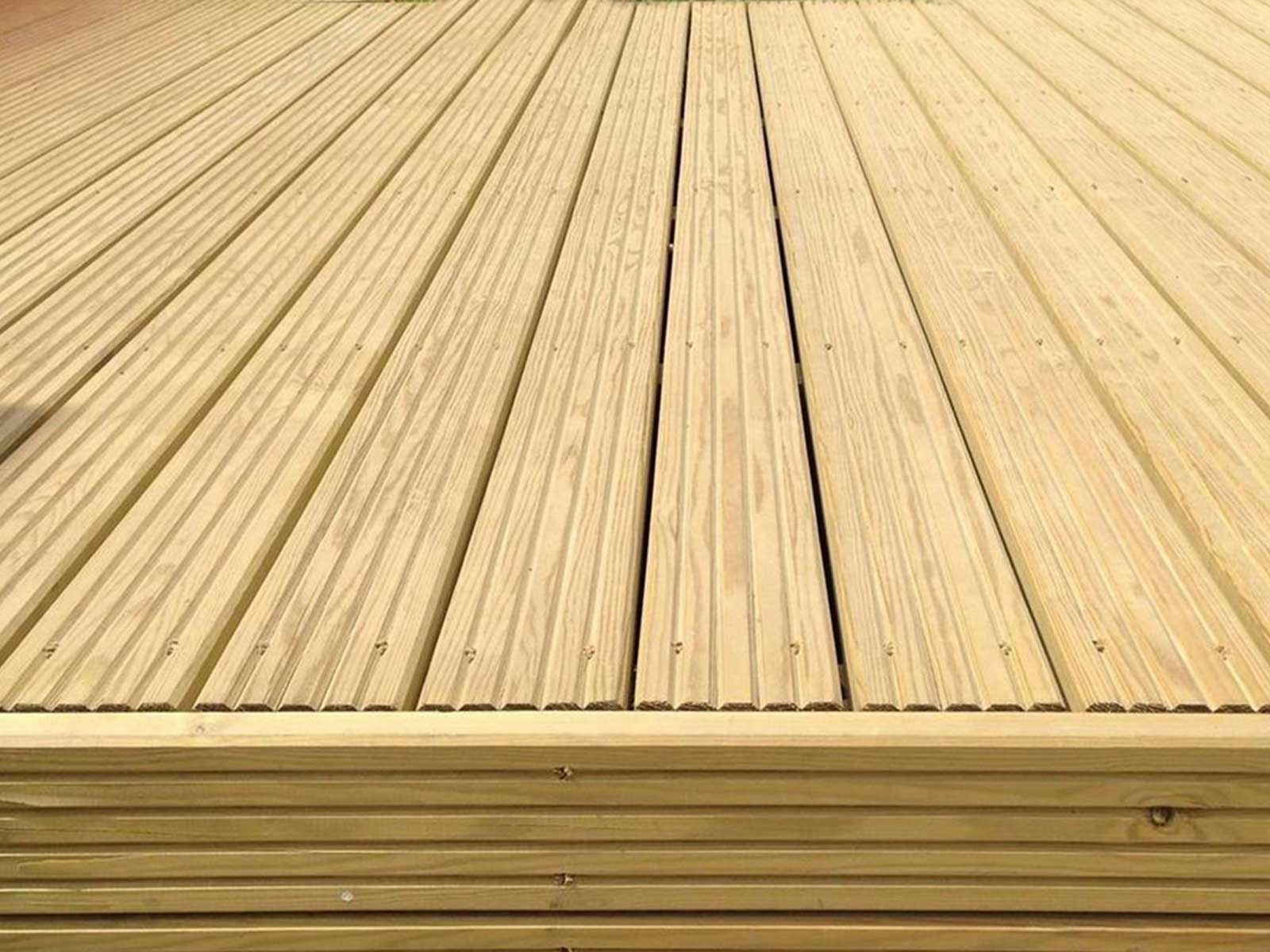

Main Types
-
Softwood (Pine, Spruce) – affordable, easy to work with
-
Hardwood (Ipe, Balau, Teak) – premium, durable, natural beauty
Pros
-
Most natural look and feel
-
Can be refinished to look new
-
Wide price range
Cons
-
Requires yearly maintenance (staining/oiling)
-
Can warp, rot or split if not maintained
-
Slippery when wet
Best For
People prioritising natural aesthetics and who don’t mind regular maintenance.
5️⃣ Aluminium Decking


What It Is
Lightweight, structural decking made from coated aluminium.
Pros
-
Won’t warp, rot, split or fade
-
Fireproof
-
Very long lifespan
-
Slip-resistant (depending on profile)
Cons
-
Industrial look (less natural)
-
Can be noisy under foot
-
Higher upfront cost
Best For
Balconies, commercial spaces, high-rise buildings or fire-regulated zones.
6️⃣ Bamboo Composite Decking


What It Is
Engineered bamboo fibres fused with resins or plastic.
Pros
-
Eco-friendly
-
Very strong & dense
-
Attractive grain
-
Stable in varying weather
Cons
-
Limited suppliers
-
Can be pricey
-
Cheaper versions may swell over time
Best For
Eco-focused projects and customers wanting a unique natural look.
⭐ Quick Comparison Table
| Type | Maintenance | Durability | Aesthetics | Water Resistance | Cost |
|---|---|---|---|---|---|
| WPC | Low | High | Very Good | High | ££ |
| SPC | Low | Very High | Good | Very High | £££ |
| PVC | Very Low | Very High | Good | Extremely High | £££ |
| Timber | High | Medium–High | Excellent | Medium | £–£££ |
| Aluminium | Very Low | Extremely High | Modern | Extremely High | £££ |
| Bamboo Composite | Low/Medium | High | Excellent | High | £££ |


